Category snapshot
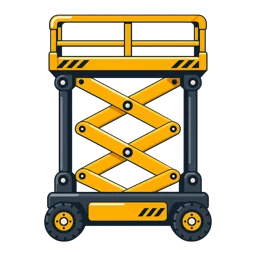
- Scissor lifts: best when the machine can sit under the task. Choose electric for finished interiors at /electric-scissor-lift-rental/ and rough‑terrain for exterior slabs and soil at /rough-terrain-scissor-lift-rental/.
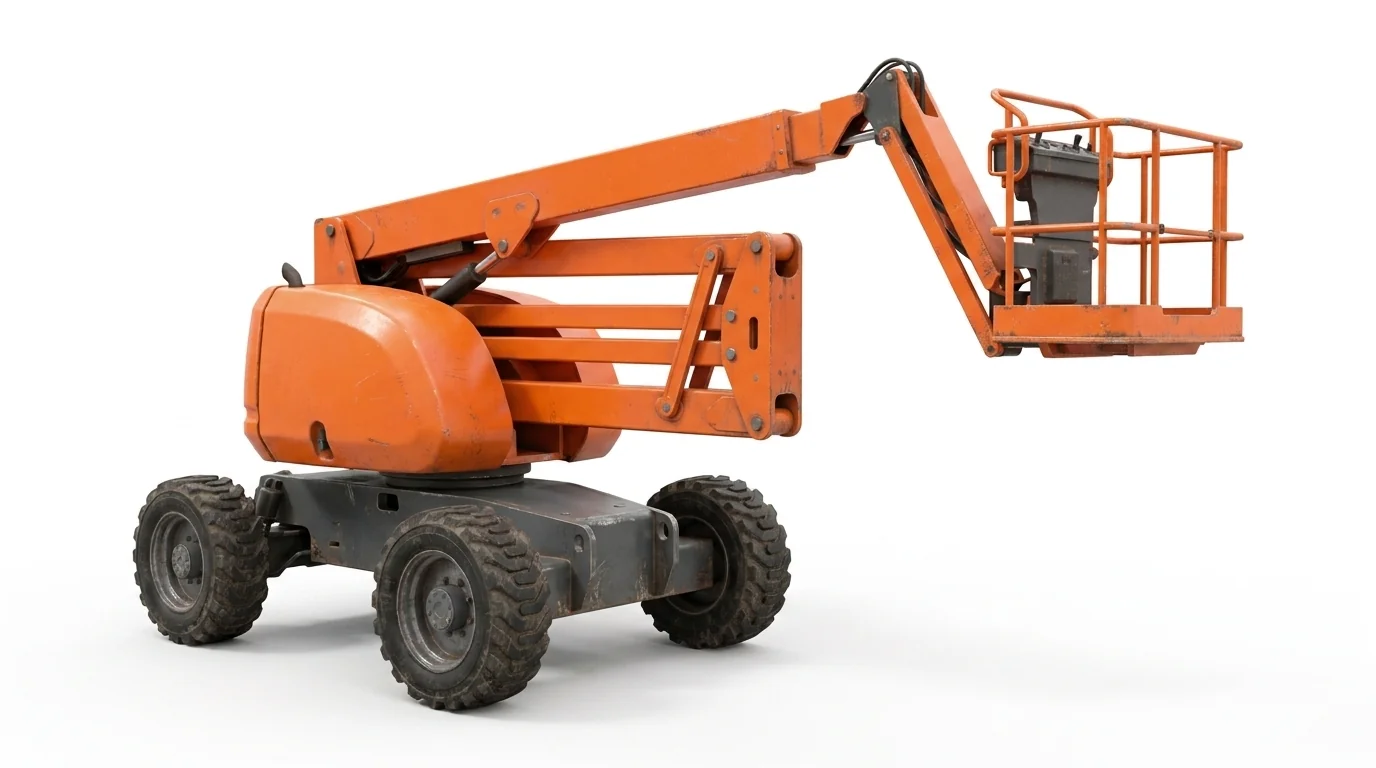
- Articulating boom lifts: jointed arms navigate up and over trees, canopies, and façade features. See comparisons at /boom-lift-rental/.
- Telescopic boom lifts: long, straight outreach for setback work where a clear line is available. Review at /boom-lift-rental/ for differences.
Local conditions that matter
- Central Valley heat stresses electronics and hydraulics during peak hours; interior work with electric units avoids some exposure.
- Tule fog reduces visibility outdoors at dawn and dusk. Aerial tasks must follow site procedures and the selected unit’s instructions, with attention to lighting and ground supervision.
- Industrial aisles and dock lanes in local distribution buildings narrow the route, so stowed dimensions often outweigh platform height in the decision.
Narrowing the options
- Height and horizontal offset: measure the vertical target and any set-back distance from the closest machine position.
- Access path: door sizes, ramps, and gate widths can eliminate certain classes before height is even considered.
- Work duration and tooling: deck capacity and power needs influence whether a larger platform or on‑platform power is required.
When projects shift midstream
If interior punch‑list work transitions to exterior signage or canopy fixes, the category may change from electric scissors to articulating booms. Plan for both by confirming doorway limits inside and curb or planter offsets outside.