Start with the obstruction map
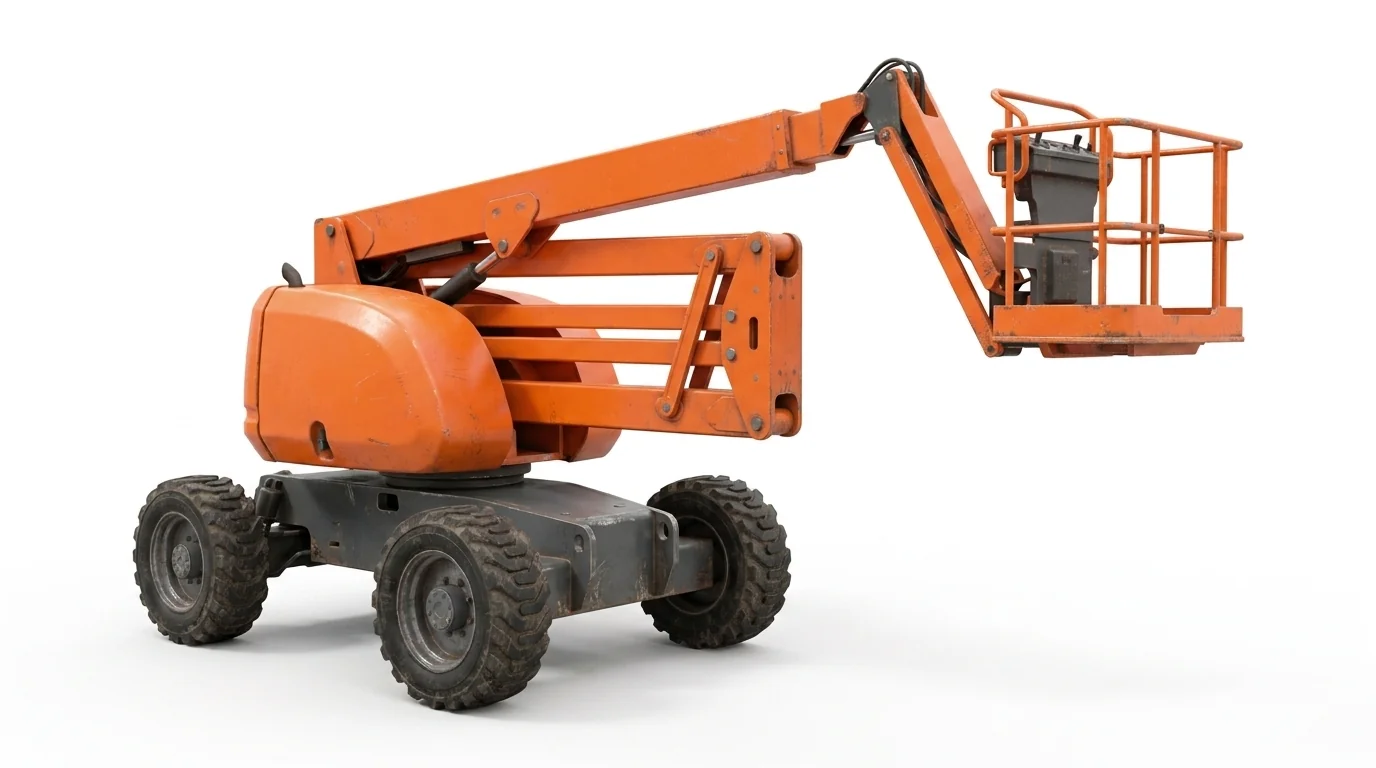
- Up and over trees, awnings, and parapets: articulating booms provide jointed movement to reach around obstacles.
- Long, straight setbacks across parking or landscaping: telescopic booms extend directly to the target when a clear line exists.
- Swing room and tail clearance: verify space for turret rotation near traffic or fencing.
Sacramento factors that change the pick
- Seasonal Tule fog affects dawn visibility. Outdoor aerial work must follow site procedures and the selected unit’s instructions, with lighting and ground spotting reviewed.
- Heat exposure on exterior façades can coincide with mid‑day work. Confirm duty cycles and staging plans appropriate to regional conditions.
- Urban forestry tasks may require positioning off hardscape or compacted soil; ground condition drives whether a rough‑terrain base is needed.
Measurements that narrow the class
- Vertical height and horizontal offset from the closest safe machine position.
- Gate widths, curb ramps, and median breaks that control access to staging spots.
- Platform capacity for tools and materials typical of sign, lighting, or limb work.
When a scissor is the better answer
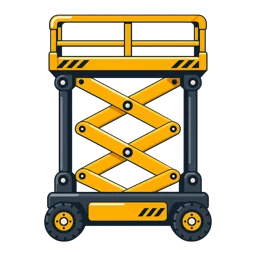
If the machine can sit directly beneath the work and the task is mostly vertical, a scissor lift offers a larger, steadier deck. Compare categories at /aerial-lift-rental/ and see indoor options at /electric-scissor-lift-rental/.
Planning across nearby corridors
Work often hops between central Sacramento and surrounding commercial areas in a single week. Keep notes on recurring curb heights, planter layouts, and gate widths—those details usually dictate articulating versus telescopic more than height alone.