Start with placement and route
Power and lighting only help if the equipment can reach the work area. Measure: - The narrowest gate, hallway, or lane the unit must pass - Turning radius at corners near loading docks or service courts - Ground bearing conditions where the unit will sit (pavement vs. compacted base)
Indoor facilities around Sacramento often limit exhaust and noise; outdoor industrial sites have more room but rougher surfaces. A clear parking spot for the generator or light tower reduces cord runs and shadowing.
Sacramento climate and runtime expectations
Summer heat in the regional climate adds thermal stress to electronics and can derate output if airflow is restricted. Leave realistic clearance around louvers and consider shaded placement. In winter, dense fog reduces beam throw and increases glare; broader, lower-aimed lighting patterns may serve better than a few high-intensity points.
Power sizing and distribution
Define the load, starting current, and duty cycle for tools, lifts, and job trailers. Note: - Highest starting load and whether multiple devices start together - Cable length from the unit to the furthest receptacle - Voltage and phase requirements for site equipment
Long runs on large sites, including local distribution buildings, add voltage drop; a higher-capacity unit or heavier cabling may be needed to maintain tool performance.
Light coverage and mounting height
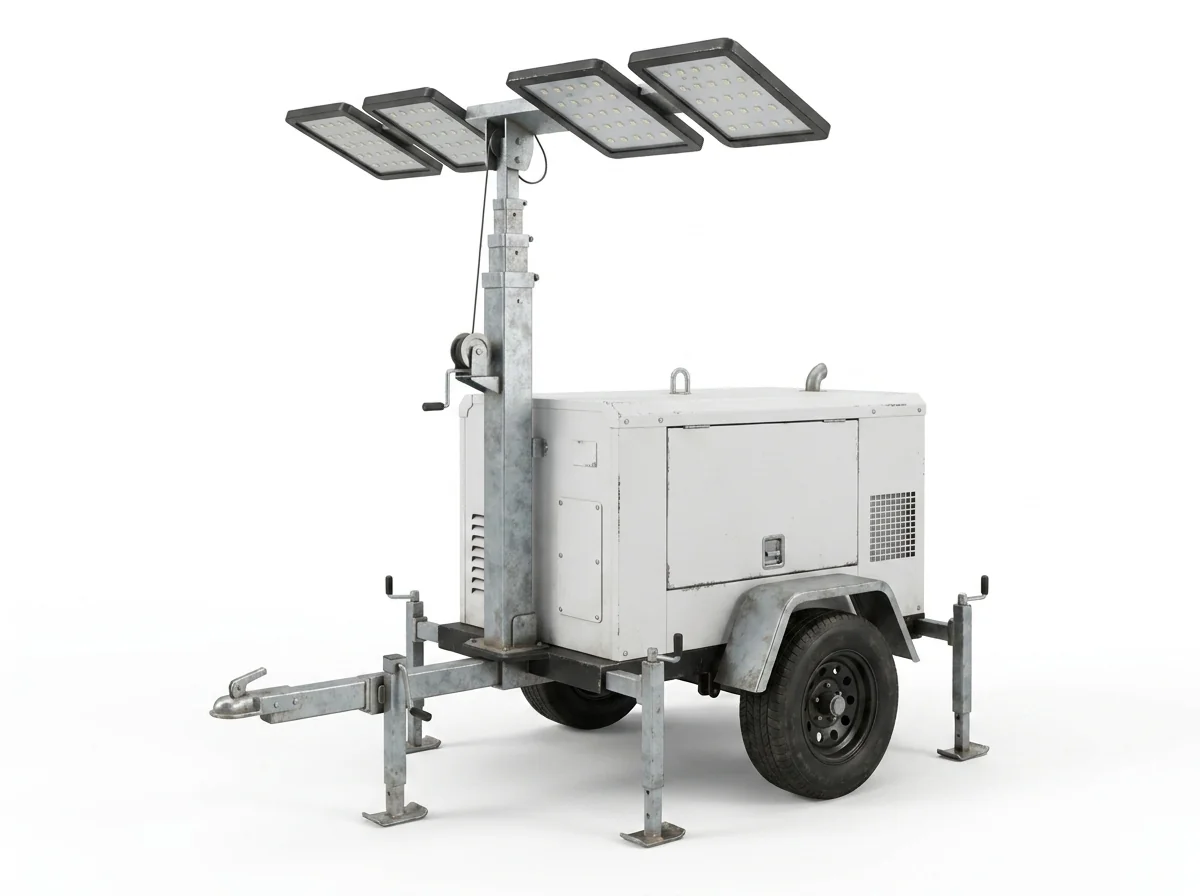
For yards, staging areas, and perimeter work, the question is not just brightness but where shadows fall. Check: - Mast height vs. nearby walls, trees, or stacked materials - Number of fixtures needed to overlap beams and reduce dark spots - Spill concerns near public edges where glare control matters
Urban forestry and facility upkeep near civic properties often involve tight sightlines; shorter setbacks and multiple towers can smooth coverage without over-aiming.
Noise, emissions, and access control
Some Sacramento properties maintain quiet hours and air-quality constraints. Enclosed or hybrid units may help indoors, while outdoor sites prioritize fuel capacity and refueling access. Plan refuel paths that do not cross the primary work zone or block lift routes.
Related comparisons
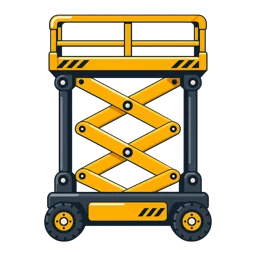
- For indoor elevated tasks, see /electric-scissor-lift-rental/
- For uneven outdoor surfaces, see /rough-terrain-scissor-lift-rental/
- For mixed-height exterior work, see /boom-lift-rental/ or /aerial-lift-rental/