Route, drop zone, and turning geometry
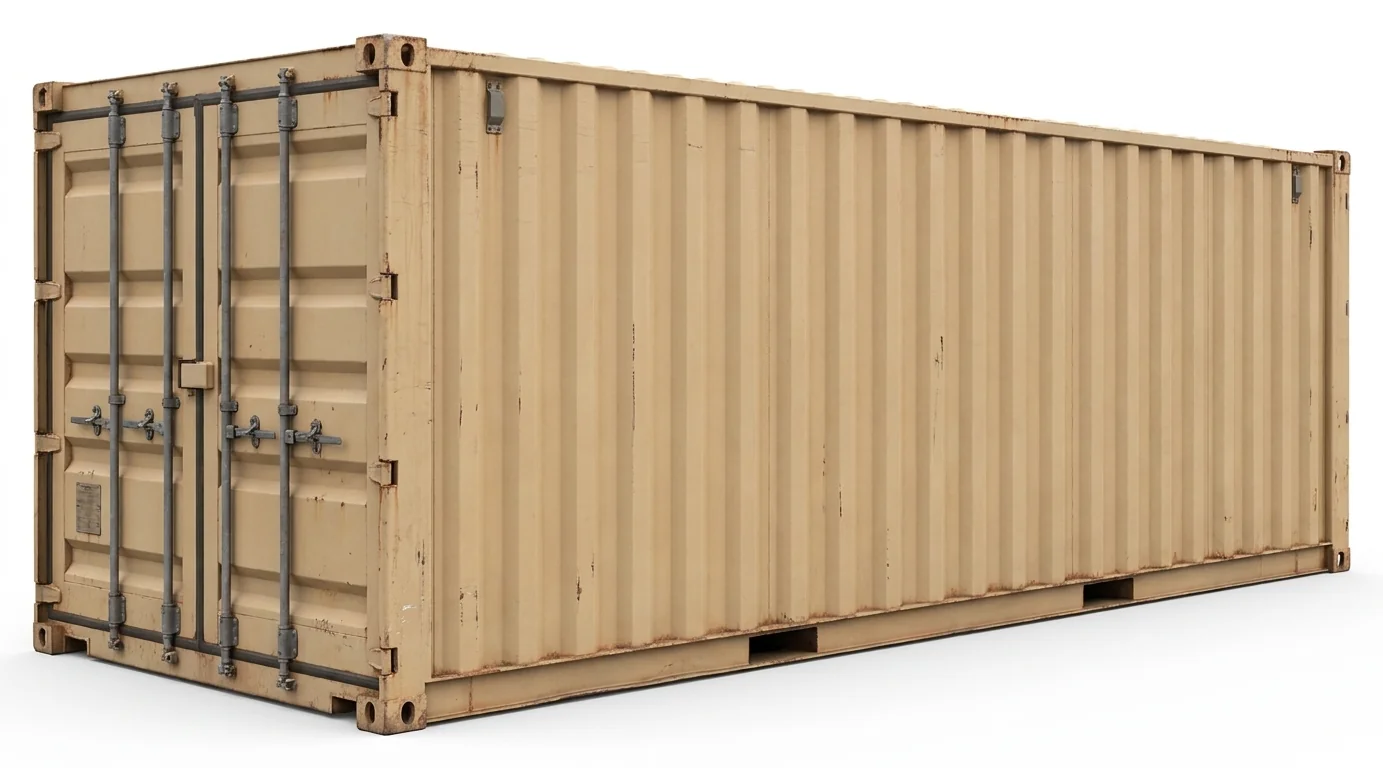
Start with the delivery path. Note: - Narrowest gate or drive aisle the truck must pass - Turning radius at the set point and room to swing the container into place - Overhead conflicts such as branches, awnings, or low-mounted fixtures
Facilities downtown may have short curb-to-pad distances, while local distribution buildings offer wider yards but heavier traffic. A clear, level drop zone keeps doors square and usable.
Ground conditions and long-term siting
Containers concentrate weight on corner castings. Identify pavement type, base thickness, and drainage. Poor drainage invites settling and door misalignment. On seasonal jobs, plan a location that will not flood or trap fog-heavy condensation against sensitive materials.
Interaction with lifts and material flow
If lifts supply or pull from the container, map both approaches: - Fork orientation and mast height at the door - Telehandler boom clearance and turning lanes - Pedestrian routes near door swings
Aligning the container with the work face reduces cross-traffic and shortens carry distances. For lift planning, compare /forklift-rental/ and /telehandler-rental/ alongside /vertical-mast-lift-rental/ for tight interiors.
Heat, contents, and access schedule
In summer, interior temperatures rise quickly. Sensitive items, batteries, and electronics perform better with shade and airflow at the site level. Consider orientation to keep doorways clear of direct sun during peak hours. In cooler months, reduced visibility means more attention to reflective markings near active lanes.
Security and shared facilities
On multi-tenant properties and civic campuses, container siting often intersects with maintenance access. Confirm that fire lanes, utility panels, and lift routes remain open. Where nighttime work occurs, pairing with /generators-light-towers-rental/ improves wayfinding and reduces trip hazards.